Menu
- The minimum required quantity for Kohaku Koi Fish (#989142) is 4.
Blue Oranda Goldfish
Additional information
| Size | 1-2, 2-3, 3-4, 4-5, 5-6, 6+ |
|---|
₹0.00
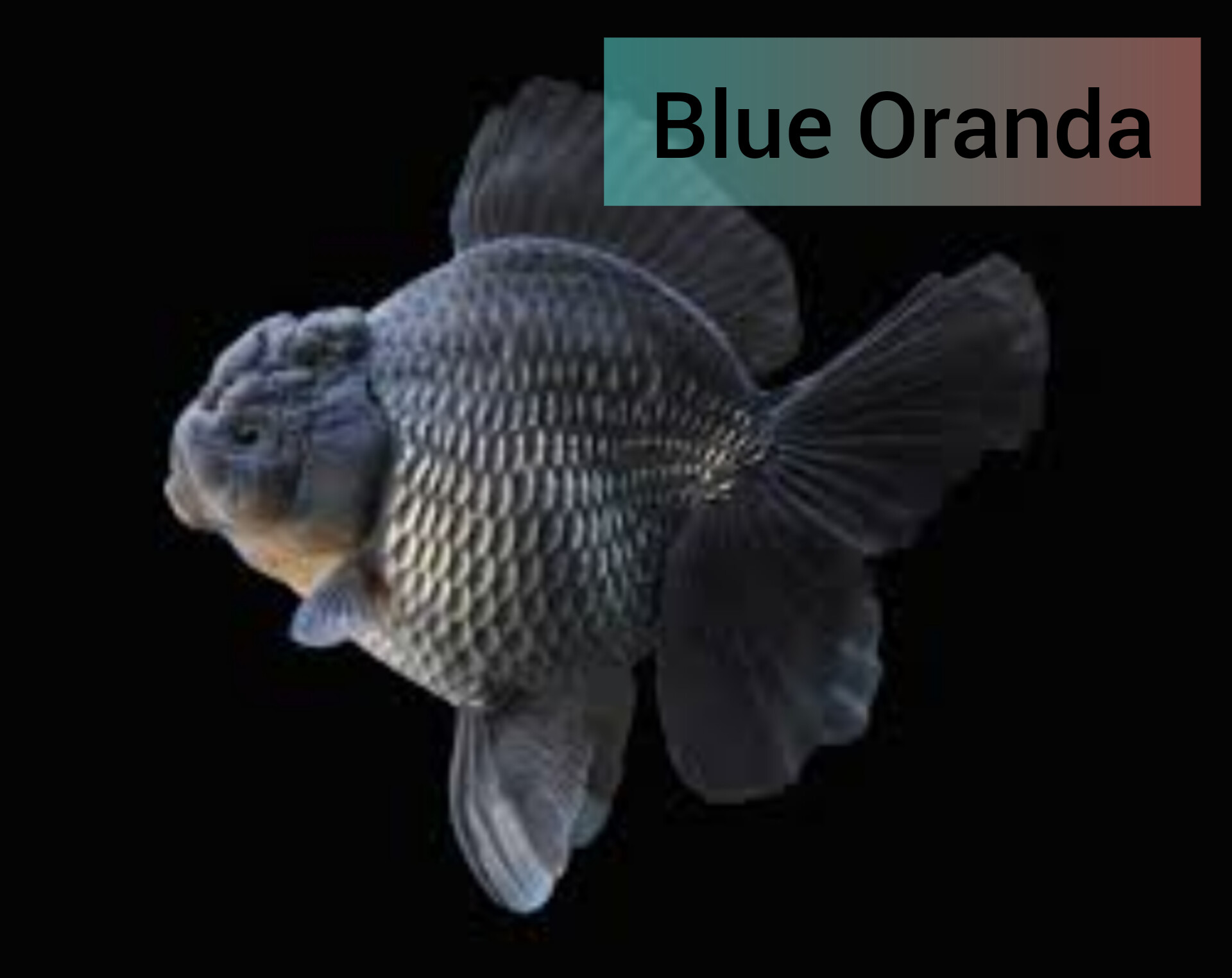
The Blue Oranda Goldfish is a rare and highly sought-after fancy goldfish variety, prized for its metallic blue-grey sheen and distinctive fleshy head growth known as a “wen.” This elegant fish combines a rounded body with flowing fins, creating a graceful and luxurious appearance. The intensity of the blue coloration can vary depending on genetics, diet, and water conditions, making each specimen unique.
Blue Oranda Goldfish (Carassius auratus)
Description
The Blue Oranda Goldfish is a rare and highly sought-after fancy goldfish variety, prized for its metallic blue-grey sheen and distinctive fleshy head growth known as a “wen.” This elegant fish combines a rounded body with flowing fins, creating a graceful and luxurious appearance. The intensity of the blue coloration can vary depending on genetics, diet, and water conditions, making each specimen unique.
Water Parameters
Temperature: 18°C – 24°C
pH: 6.5 – 7.5
Hardness: 5 – 15 dGH
Ammonia/Nitrite: 0 ppm
Nitrate: Below 20 ppm
Stable, clean water is crucial, especially for maintaining wen health and coloration.
Care & Maintenance
Blue Oranda Goldfish require moderate care with attention to hygiene:
Minimum 75–100 liters tank for a single fish
Efficient filtration to handle high waste output
25–30% weekly water changes
Feed high-quality sinking pellets, supplemented with vegetables and occasional protein treats
Maintain smooth décor to prevent injury to fins and wen
Extra care is needed to keep the wen clean and free from infections.
Behaviour & Temperament
Peaceful and social
Moderate swimmers, slower than single-tail goldfish
Can be slightly competitive during feeding
Enjoy the company of other fancy goldfish
They are interactive and often develop recognition of their caretakers.
Compatibility
Best kept in fancy goldfish-only aquariums or with other slow, peaceful species with similar requirements.
Suitable Tank Mates
Oranda Goldfish
Ryukin Goldfish
Ranchu Goldfish
Fantail Goldfish
Black Moor Goldfish
These species share similar swimming speeds and care needs.
Tank Mates to Avoid
Fast swimmers like Common and Comet Goldfish
Fin-nipping fish (Barbs, some Tetras)
Aggressive species like Cichlids
Small fish that may be eaten
Avoid species that may damage the wen or outcompete them for food.
Pro Tips
Monitor wen growth for signs of Bacterial Infection
Feed sinking pellets to help prevent Swim Bladder Disorder
Maintain excellent water quality to enhance blue coloration
Avoid overcrowding to reduce stress and disease risk
Use moderate water flow to prevent strain
The Blue Oranda Goldfish is a premium ornamental fish that offers a unique blend of color, elegance, and personality—perfect for aquarists looking to create a refined and visually striking aquarium.
SVR Aquatics ships exclusively within India to all States and Union Territories via Railways or Airways. Customers must collect railway shipments promptly or opt for door-to-door delivery with higher charges for airway shipments. Fish are shipped weekly or biweekly, packed in special styro boxes with GST charges. Live arrival is guaranteed on the first attempt, with a replacement for Dead On Arrival (DOA) reported within 2 hours. Refund/Return policies differ for live fish and dry goods/accessories, with a 25% cancellation fee for unshipped orders. Damaged or wrong items must be reported upon receipt for evaluation and resolution.
Related products
-
EnquireRed Devil Angelfish
₹0.00 -
EnquireGreen Neon Tetra
₹0.00 -
Sale!
In StockFighting Fish
₹300.00₹250.00 -
EnquireFlowerhorn Cichlid
₹0.00
The Blue Oranda Goldfish is a rare and highly sought-after fancy goldfish variety, prized for its metallic blue-grey sheen and distinctive fleshy head growth known as a “wen.” This elegant fish combines a rounded body with flowing fins, creating a graceful and luxurious appearance. The intensity of the blue coloration can vary depending on genetics, diet, and water conditions, making each specimen unique.