

View cart “Bulgarian Seal Point Angelfish” has been added to your cart.
Clown Loach
Additional information
₹0.00
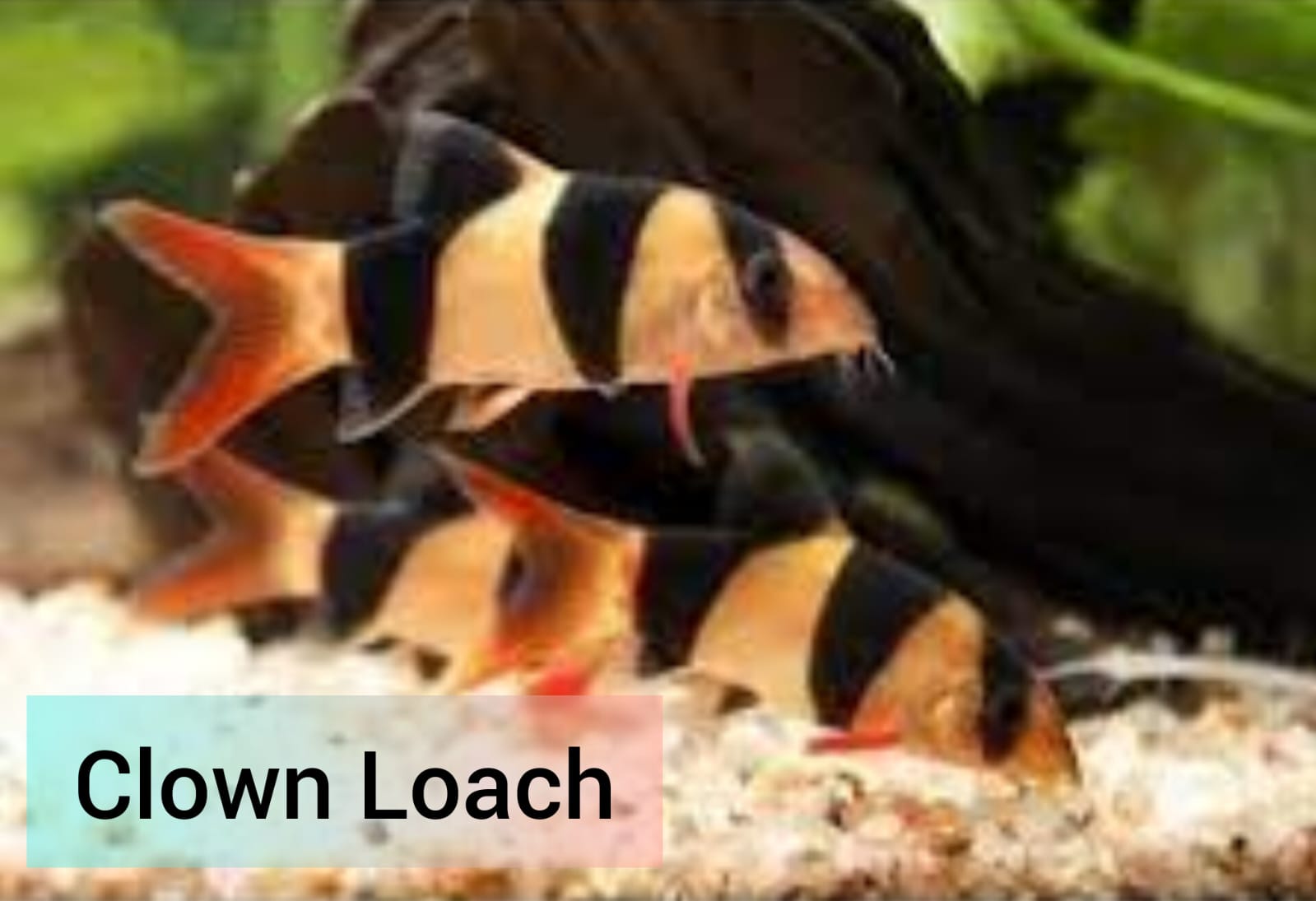
The Clown Loach is one of the most popular and recognizable freshwater fish, known for its bright orange body with bold black vertical bands and vibrant red fins. Native to the rivers of Indonesia, this species is highly social, playful, and full of personality. Juveniles are small and active, while adults can grow quite large, making them best suited for spacious aquariums.
Clown Loach (Chromobotia macracanthus) – Complete Care Guide
Description
The Clown Loach is one of the most popular and recognizable freshwater fish, known for its bright orange body with bold black vertical bands and vibrant red fins. Native to the rivers of Indonesia, this species is highly social, playful, and full of personality. Juveniles are small and active, while adults can grow quite large, making them best suited for spacious aquariums.
Water Parameters
Warm, soft, and stable conditions are ideal:
Temperature: 24–30°C (75–86°F)
pH: 6.0–7.5
Hardness: 2–12 dGH
Tank Size: Minimum 200 liters (50 gallons) for juveniles; 400+ liters for adults
Water Flow: Moderate
Water Changes: 25–30% weekly
Care & Maintenance
Clown Loaches require proper setup and group care:
Keep in groups of at least 5–6—they are highly social.
Provide a large tank with plenty of hiding spots (caves, driftwood).
Use soft sand substrate to protect their sensitive barbels.
Maintain excellent water quality—they are sensitive to poor conditions.
Feed a varied omnivorous diet: sinking pellets, frozen foods (bloodworms, shrimp), and vegetables.
Known to eat snails, making them useful for snail control.
Behaviour & Temperament
Peaceful and highly social fish.
Active, playful, and often seen interacting with each other.
Display unique behaviors like “loachy dancing” and resting on their sides.
Non-aggressive but may become shy if kept alone.
More active during evening hours.
Compatibility
Excellent for peaceful to semi-active community aquariums.
Compatible with a wide range of medium-sized fish.
Avoid aggressive or very small tank mates.
Suitable Tank Mates
Tetras (larger species)
Barbs (non-aggressive types)
Rainbowfish
Gouramis
Other peaceful loaches
Catfish species
Tank Mates to Avoid
Small fish that may be accidentally stressed or eaten
Aggressive cichlids
Fin-nipping species
Very territorial fish
Tiny bottom dwellers
Pro Tips
Always keep in groups—they thrive socially.
Provide plenty of hiding places to reduce stress.
Use a soft substrate to prevent injury.
Maintain stable, clean water conditions.
Feed a varied diet including vegetables.
Be prepared for long-term growth—they can reach 25–30 cm (10–12 inches).
Ensure tank is securely covered—they can be active and jump.
Summary
The Clown Loach is a vibrant, social, and entertaining fish that brings life and personality to large aquariums. With proper group size, tank space, and care, it thrives and becomes a beloved centerpiece in community setups.
SVR Aquatics ships exclusively within India to all States and Union Territories via Railways or Airways. Customers must collect railway shipments promptly or opt for door-to-door delivery with higher charges for airway shipments. Fish are shipped weekly or biweekly, packed in special styro boxes with GST charges. Live arrival is guaranteed on the first attempt, with a replacement for Dead On Arrival (DOA) reported within 2 hours. Refund/Return policies differ for live fish and dry goods/accessories, with a 25% cancellation fee for unshipped orders. Damaged or wrong items must be reported upon receipt for evaluation and resolution.
Related products
-
 Enquire
Albino Dantum Angelfish
₹0.00 -
 Enquire
 -
 Enquire
Red Oranda Goldfish
₹0.00 -
 Enquire
Green Neon Tetra
₹0.00
The Clown Loach is one of the most popular and recognizable freshwater fish, known for its bright orange body with bold black vertical bands and vibrant red fins. Native to the rivers of Indonesia, this species is highly social, playful, and full of personality. Juveniles are small and active, while adults can grow quite large, making them best suited for spacious aquariums.