

View cart “Orgon Koi” has been added to your cart.
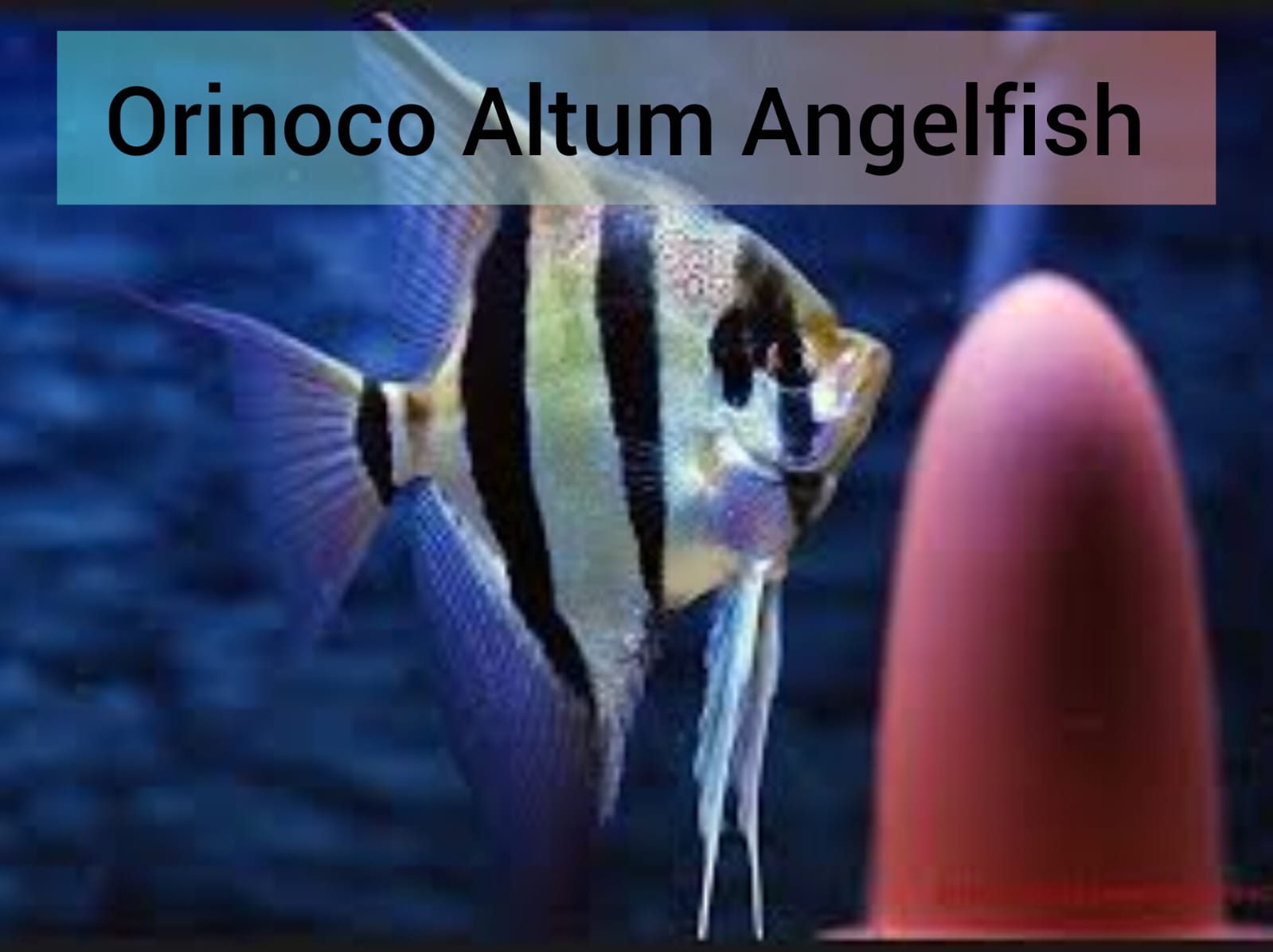
F1 Orinoco Altum Angelfish
Additional information
| Size | 1.2 |
|---|
₹0.00
They have a laterally compressed body with a tall and elongated dorsal fin, giving them a distinctive appearance compared to other angelfish species.
As mentioned above, altum angelfish is the largest representative among all Pterophyllum species. Their dorsal and anal fins sweep may reach up to 30-35 cm, and they are very long. These fins are both pearl gray. The first rays of the abdominal fin are filamentary and very long as well. The altum angelfish body is disk-shaped, quite flattened from sides, the snout is sharpened.
The basic body coloring varies from greenish-gray to olive drab with silvery glitter, and the back has a brownish-olive tint. There are four main lateral stripes on the body. Their color changes depending on the fish’s mood and behavior, and it can be saturated black, black-brown, or gray. The first stripe overpasses the fish’s eye, the second one starts from the short dorsal rays and ends near the anal fin beginning, the third one – from the top of the dorsal to the anal fin top, the fourth one starts at the beginning of the caudal fin.
Origin: Amazon River of Brazil, Colombia, and Peru
Location: Found in natural tributaries of the Amazon River in South America
Diet: They are omnivores, and will readily accept most Tropical Flakes, Flakes, Spirulina flakes, Tropical Granules, Algae Rounds, Shrimp Pellets, frozen foods, GHM & BHM’s.
Adult Size: 9-10″
Recommended Tank Size: 180 liters+
Compatibility: Generally peaceful community fishes, Some suitable aquarium mates include altum angelfish, cardinal tetras, neon’s, emperor and rummy nose tetras as well as clown loaches, Corydoras, smaller Plecostomus, Peaceful Rasbora species, Rainbow fish, Otticinclus and dwarf cichlids, such as rams and Apistogramma species. All these fish tolerate the high temperatures and low pH/hardness required by discus.
Preferred Water Parameters:
- pH: 6.5 – 7.2
- TDS: Up to 290
- Temp: 28 – 30 Degree Celsius
- Hardness: 1.5-3.5 KH
- Ammonia (NH₃): 0 ppm.
- Nitrite (NO₂): 0 ppm.
- Nitrate (NO₃): < 25 ppm.
- Water Change: Water Changes >50% Fortnight (Again depends on your setup).
SVR Aquatics ships exclusively within India to all States and Union Territories via Railways or Airways. Customers must collect railway shipments promptly or opt for door-to-door delivery with higher charges for airway shipments. Fish are shipped weekly or biweekly, packed in special styro boxes with GST charges. Live arrival is guaranteed on the first attempt, with a replacement for Dead On Arrival (DOA) reported within 2 hours. Refund/Return policies differ for live fish and dry goods/accessories, with a 25% cancellation fee for unshipped orders. Damaged or wrong items must be reported upon receipt for evaluation and resolution.
Related products
-
 Enquire
 -
 Enquire
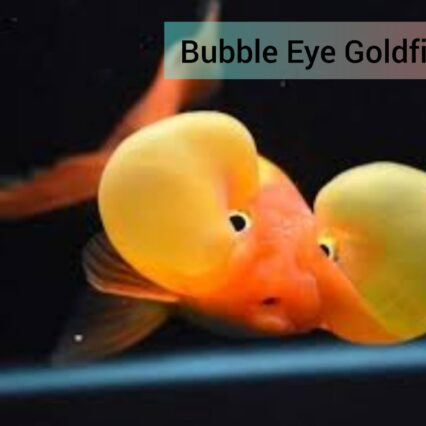
Bubble Eye Gold
₹0.00 -
 In Stock
 -
Sale!
 In Stock
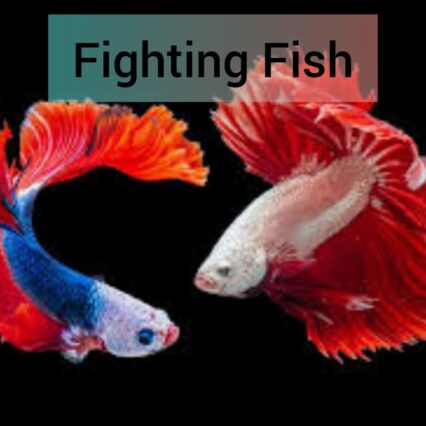
Fighting Fish
₹300.00₹200.00
They have a laterally compressed body with a tall and elongated dorsal fin, giving them a distinctive appearance compared to other angelfish species.
As mentioned above, altum angelfish is the largest representative among all Pterophyllum species. Their dorsal and anal fins sweep may reach up to 30-35 cm, and they are very long. These fins are both pearl gray. The first rays of the abdominal fin are filamentary and very long as well. The altum angelfish body is disk-shaped, quite flattened from sides, the snout is sharpened.
The basic body coloring varies from greenish-gray to olive drab with silvery glitter, and the back has a brownish-olive tint. There are four main lateral stripes on the body. Their color changes depending on the fish’s mood and behavior, and it can be saturated black, black-brown, or gray. The first stripe overpasses the fish’s eye, the second one starts from the short dorsal rays and ends near the anal fin beginning, the third one – from the top of the dorsal to the anal fin top, the fourth one starts at the beginning of the caudal fin.