

View cart “Half-Black Angelfish” has been added to your cart.
Sale!
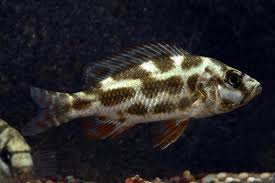
Livingston’s Cichlid
Additional information
₹1,200.00 ₹1,000.00
The Livingston’s Cichlid (Nimbochromis livingstonii) is a large and striking African cichlid known for its unique blotched pattern resembling a giraffe or camouflage design. Native to Lake Malawi, this species is famous for its fascinating “playing dead” hunting technique, where it lies motionless to lure unsuspecting prey.
This fish can grow quite large and develops impressive coloration as it matures, especially males, which often display blue hues on the head and body. Due to its size and predatory nature, it is best suited for experienced aquarists with large aquariums.
Livingston’s Cichlid (Nimbochromis livingstonii) – Overview, Care & Compatibility
Description
The Livingston’s Cichlid (Nimbochromis livingstonii) is a large and striking African cichlid known for its unique blotched pattern resembling a giraffe or camouflage design. Native to Lake Malawi, this species is famous for its fascinating “playing dead” hunting technique, where it lies motionless to lure unsuspecting prey.
This fish can grow quite large and develops impressive coloration as it matures, especially males, which often display blue hues on the head and body. Due to its size and predatory nature, it is best suited for experienced aquarists with large aquariums.
Water Parameters
Replicating Lake Malawi conditions is essential:
Temperature: 24°C – 28°C
pH Level: 7.5 – 8.5
Water Hardness: 10 – 20 dGH
Tank Size: Minimum 125 gallons (475 liters)
Filtration: Strong filtration with high oxygenation
Water Changes: 25–30% weekly
Care & Maintenance
Livingston’s Cichlids require space and proper setup:
Provide a large aquarium with open swimming areas
Use sand substrate with some rock structures
Avoid overcrowding to reduce aggression
Feed a protein-rich carnivorous diet (cichlid pellets, fish, shrimp, and frozen foods)
Avoid feeding feeder fish frequently to prevent disease
Maintain excellent water quality due to their size and waste production
Behavior & Temperament
Semi-aggressive to aggressive, especially as they mature
Predatory by nature; known for ambush hunting
Territorial, particularly males
Best kept with similarly sized, robust tank mates
Compatibility
Careful selection of tank mates is critical:
Suitable Tank Mates:
Other large Haplochromis (Haps)
Peacock Cichlids (Aulonocara) with caution
Large, robust African cichlids
Synodontis catfish
Tank Mates to Avoid:
Mbuna cichlids (too aggressive and different diet)
Small fish (will be eaten)
Slow or delicate species
Pro Tips
Best kept in a large species tank or with other large cichlids
Maintain a low-stress environment with plenty of space
Keep one male with multiple females if breeding
Avoid mixing with overly aggressive Mbuna species
SVR Aquatics ships exclusively within India to all States and Union Territories via Railways or Airways. Customers must collect railway shipments promptly or opt for door-to-door delivery with higher charges for airway shipments. Fish are shipped weekly or biweekly, packed in special styro boxes with GST charges. Live arrival is guaranteed on the first attempt, with a replacement for Dead On Arrival (DOA) reported within 2 hours. Refund/Return policies differ for live fish and dry goods/accessories, with a 25% cancellation fee for unshipped orders. Damaged or wrong items must be reported upon receipt for evaluation and resolution.
Related products
-
 Enquire
 -
 Enquire
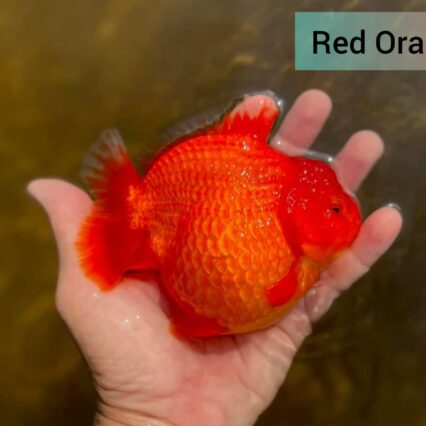
Red Oranda Goldfish
₹0.00 -
 Enquire
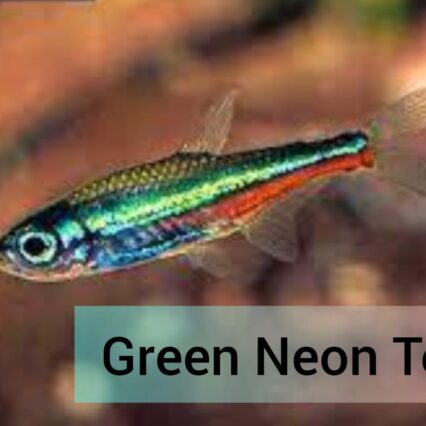
Green Neon Tetra
₹0.00 -
 Enquire
Green Line Rasbora
₹0.00
The Livingston’s Cichlid (Nimbochromis livingstonii) is a large and striking African cichlid known for its unique blotched pattern resembling a giraffe or camouflage design. Native to Lake Malawi, this species is famous for its fascinating “playing dead” hunting technique, where it lies motionless to lure unsuspecting prey.
This fish can grow quite large and develops impressive coloration as it matures, especially males, which often display blue hues on the head and body. Due to its size and predatory nature, it is best suited for experienced aquarists with large aquariums.
This fish can grow quite large and develops impressive coloration as it matures, especially males, which often display blue hues on the head and body. Due to its size and predatory nature, it is best suited for experienced aquarists with large aquariums.