

View cart “Panda Angelfish” has been added to your cart.
Sale!
Manacapuru Angelfish
Additional information
₹6,000.00 ₹5,000.00
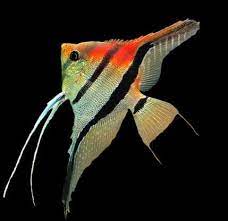
The Manacapuru Angelfish is a stunning wild-type angelfish originating from the Manacapuru region of the Amazon in Brazil. Often referred to as the “Red Shoulder Angelfish,” it is prized for its natural elegance, tall finnage, and distinctive red/orange coloration on the upper body (shoulder area), contrasted with a silvery base and subtle vertical barring. Compared to domestic strains, this variety has a more elongated body and graceful swimming style, making it highly desirable among enthusiasts.
Manacapuru Angelfish (Pterophyllum scalare) – Complete Care Guide
Description
The Manacapuru Angelfish is a stunning wild-type angelfish originating from the Manacapuru region of the Amazon in Brazil. Often referred to as the “Red Shoulder Angelfish,” it is prized for its natural elegance, tall finnage, and distinctive red/orange coloration on the upper body (shoulder area), contrasted with a silvery base and subtle vertical barring. Compared to domestic strains, this variety has a more elongated body and graceful swimming style, making it highly desirable among enthusiasts.
Water Parameters
Temperature: 26°C – 30°C
pH: 5.5 – 7.0
Hardness: 1 – 8 dGH
Tank Size: Minimum 40 gallons (75+ gallons recommended for groups)
Water Type: Soft, slightly acidic, clean and stable
They thrive best in conditions close to their natural Amazonian habitat.
Care & Maintenance
Manacapuru Angelfish require attentive care and stable conditions:
Provide a tall, spacious aquarium for proper fin development
Include plants, driftwood, and vertical décor
Use gentle filtration with minimal current
Perform regular water changes (25–30% weekly)
Maintain soft, slightly acidic water for optimal health and coloration
Consistency is crucial, as wild-type strains can be more sensitive than tank-bred varieties.
Behaviour & Temperament
This species is peaceful to semi-aggressive:
Calm and graceful, but can become territorial during breeding
Establishes a hierarchy when kept in groups
Best kept as a group of juveniles or a bonded pair
Occupies mid to upper tank levels
They are less aggressive than many cichlids but still require space and proper tank mates.
Suitable Tank Mates
Choose peaceful, similarly sized fish:
Larger Tetras (Cardinal, Rummy Nose)
Rasboras
Corydoras Catfish
Dwarf cichlids
Peaceful gouramis
Tank mates should not be small enough to be eaten.
Tank Mates to Avoid
Avoid aggressive or fin-nipping species:
Tiger Barbs
Large aggressive cichlids
Bettas
Very small fish (may be prey)
Fast, fin-nipping fish
These can stress or damage their fins.
Pro Tips
Maintain soft, slightly acidic water to enhance natural colors
Provide vertical space—tank height is essential
Feed a high-quality varied diet (pellets, frozen/live foods)
Use dim or natural lighting for a more natural environment
Avoid overcrowding to reduce stress and aggression
Ideal for Amazon biotope or planted aquariums
The Manacapuru Angelfish is a premium wild-type variety that combines natural beauty with graceful behavior. With proper care and environment, it becomes a stunning and elegant centerpiece for advanced aquarists and planted aquarium enthusiasts.
SVR Aquatics ships exclusively within India to all States and Union Territories via Railways or Airways. Customers must collect railway shipments promptly or opt for door-to-door delivery with higher charges for airway shipments. Fish are shipped weekly or biweekly, packed in special styro boxes with GST charges. Live arrival is guaranteed on the first attempt, with a replacement for Dead On Arrival (DOA) reported within 2 hours. Refund/Return policies differ for live fish and dry goods/accessories, with a 25% cancellation fee for unshipped orders. Damaged or wrong items must be reported upon receipt for evaluation and resolution.
Related products
-
 Enquire
 -
 Enquire
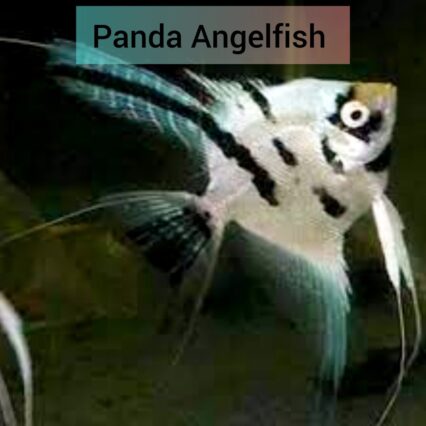
Panda Angelfish
₹0.00 -
 Enquire
 -
 Enquire
Bubble Eye Gold
₹0.00
The Manacapuru Angelfish is a stunning wild-type angelfish originating from the Manacapuru region of the Amazon in Brazil. Often referred to as the “Red Shoulder Angelfish,” it is prized for its natural elegance, tall finnage, and distinctive red/orange coloration on the upper body (shoulder area), contrasted with a silvery base and subtle vertical barring. Compared to domestic strains, this variety has a more elongated body and graceful swimming style, making it highly desirable among enthusiasts.