

View cart “Paraiba Angelfish” has been added to your cart.
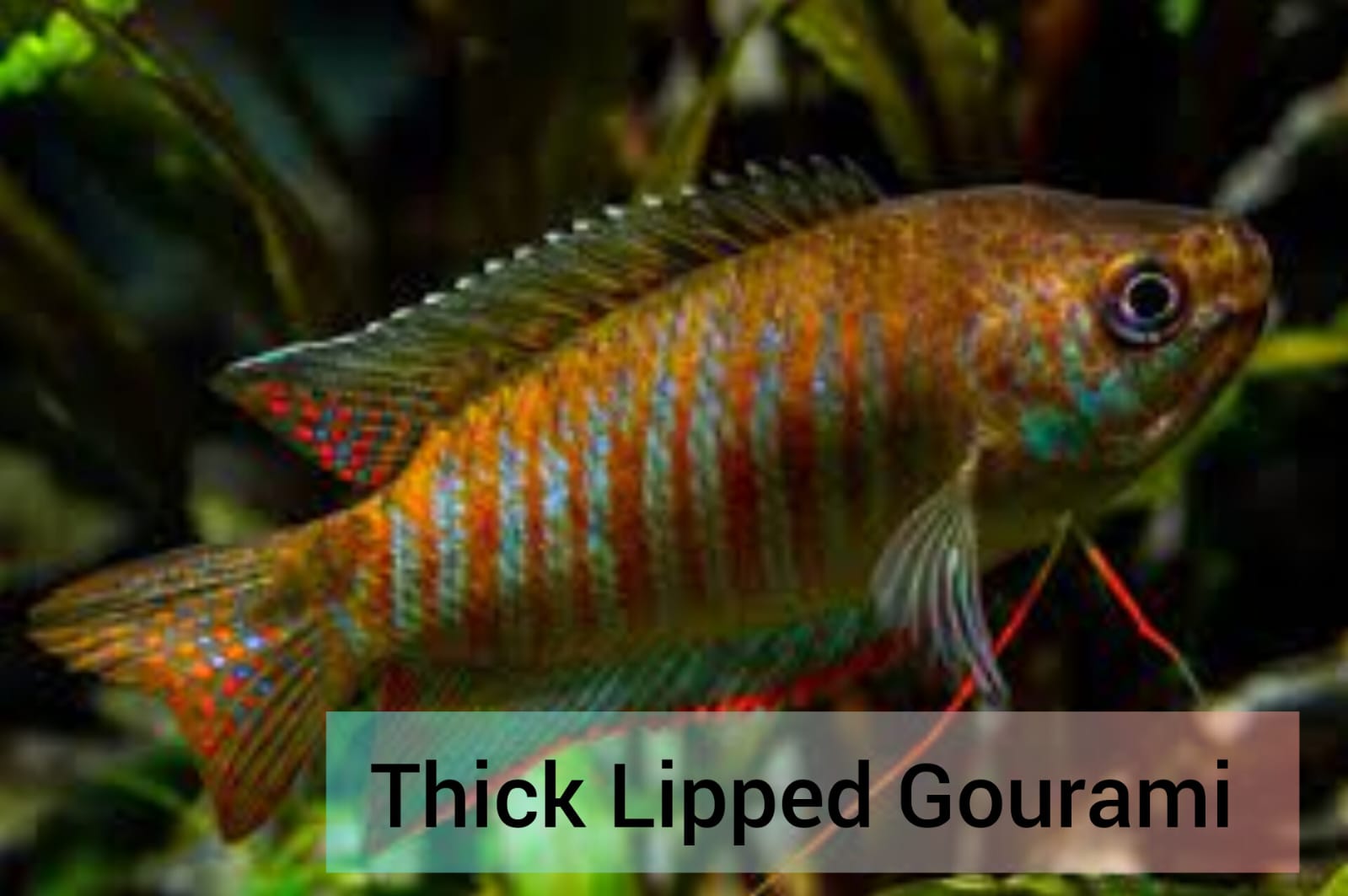
Thick lipped Gourami
Additional information
₹0.00
The Thick-lipped Gourami is a hardy and attractive freshwater fish known for its slightly fuller lips and subtle yet beautiful coloration. Native to Myanmar, this species often displays shades of orange, red, or bluish hues depending on the variety (including the popular “Sunset” morph). It is an excellent alternative to Dwarf Gouramis due to its stronger immunity and adaptability.
Thick-Lipped Gourami (Trichogaster labiosa) – Complete Care Guide
Description
The Thick-lipped Gourami is a hardy and attractive freshwater fish known for its slightly fuller lips and subtle yet beautiful coloration. Native to Myanmar, this species often displays shades of orange, red, or bluish hues depending on the variety (including the popular “Sunset” morph). It is an excellent alternative to Dwarf Gouramis due to its stronger immunity and adaptability.
Water Parameters
Temperature: 24°C – 28°C
pH: 6.0 – 7.5
Hardness: 5 – 15 dGH
Tank Size: Minimum 20–30 gallons
Water Type: Soft to moderately hard, stable and well-maintained
They are quite adaptable but thrive best in consistent water conditions.
Care & Maintenance
Thick-Lipped Gouramis are beginner-friendly and relatively easy to maintain:
Provide a planted aquarium with hiding spots and open swimming space
Include floating plants to create a natural, shaded environment
Use gentle filtration with low to moderate flow
Perform regular water changes to maintain water quality
As labyrinth fish, they need access to the surface for breathing
Moderate lighting helps enhance their coloration while keeping them comfortable.
Behaviour & Temperament
This species is generally peaceful with a mild territorial streak:
Males may become territorial, especially during breeding
Less aggressive compared to many other gouramis
Can be kept singly, in pairs, or in small groups with enough space
Occupies the middle and upper tank levels
They adapt well to community tanks when not overcrowded.
Suitable Tank Mates
Choose calm and non-aggressive companions:
Tetras (Black Neon, Lemon, Glowlight)
Rasboras
Corydoras Catfish
Peaceful barbs (like Cherry Barbs)
Small loaches
These species maintain a harmonious tank environment.
Tank Mates to Avoid
Avoid aggressive or fin-nipping species:
Tiger Barbs
Large aggressive cichlids
Bettas (may cause territorial disputes)
Very active or aggressive fish
Such tank mates can stress or injure the gourami.
Pro Tips
A great hardy alternative to Dwarf Gourami, especially for beginners
Add floating plants to reduce stress and encourage natural behavior
Feed a varied diet including flakes, pellets, and live/frozen foods
Maintain stable water parameters to avoid health issues
Provide enough space to reduce territorial conflicts
Ideal for both beginner and experienced aquarists
The Thick-Lipped Gourami is a versatile, colorful, and resilient fish that fits beautifully into peaceful community aquariums. Its calm nature and adaptability make it a reliable and attractive addition to any freshwater setup.
SVR Aquatics ships exclusively within India to all States and Union Territories via Railways or Airways. Customers must collect railway shipments promptly or opt for door-to-door delivery with higher charges for airway shipments. Fish are shipped weekly or biweekly, packed in special styro boxes with GST charges. Live arrival is guaranteed on the first attempt, with a replacement for Dead On Arrival (DOA) reported within 2 hours. Refund/Return policies differ for live fish and dry goods/accessories, with a 25% cancellation fee for unshipped orders. Damaged or wrong items must be reported upon receipt for evaluation and resolution.
Related products
-
Sale!
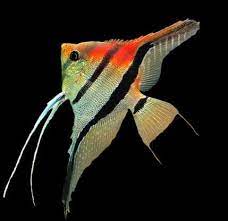 Enquire
Manacapuru Angelfish
₹6,000.00₹5,000.00 -
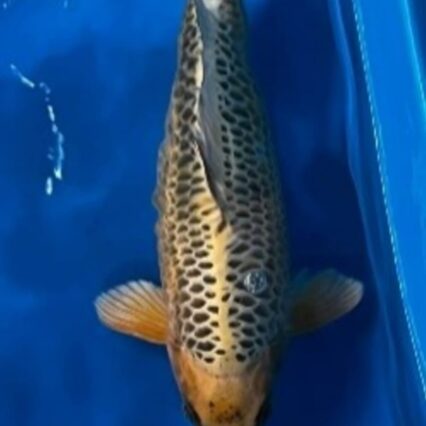 Enquire
Orgon Koi Fish
₹0.00 -
Sale!
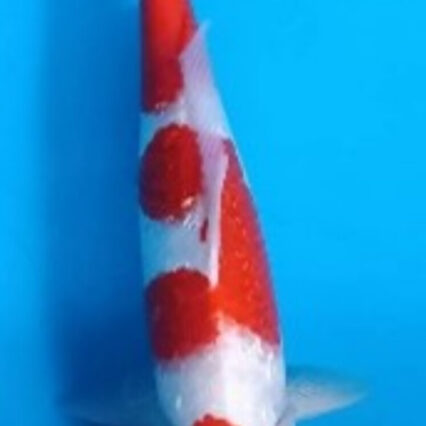 Enquire
Kohaku Koi Fish
₹7,500.00₹6,000.00 -
 Enquire
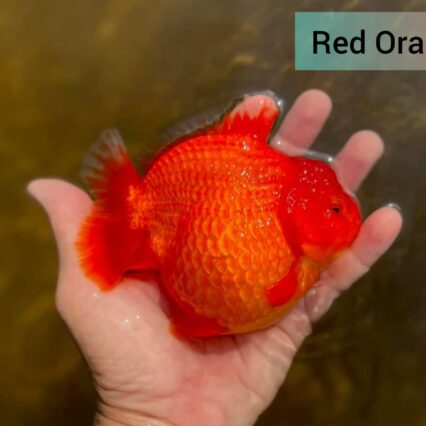
Red Oranda Goldfish
₹0.00
The Thick-lipped Gourami is a hardy and attractive freshwater fish known for its slightly fuller lips and subtle yet beautiful coloration. Native to Myanmar, this species often displays shades of orange, red, or bluish hues depending on the variety (including the popular “Sunset” morph). It is an excellent alternative to Dwarf Gouramis due to its stronger immunity and adaptability.