

View cart “Flowerhorn Cichlid” has been added to your cart.

Dwarf Chained Loach
Additional information
₹0.00
The Dwarf Chain Loach, also known as the Chain Loach, is a small and highly attractive freshwater species recognized for its intricate chain-like pattern running along a golden-yellow body. Native to Thailand, this loach is one of the smallest in the Botia group, making it ideal for community aquariums. It is active, social, and often used for natural snail control due to its appetite for small snails.
Dwarf Chain Loach (Ambastaia sidthimunki) – Complete Care Guide
Description
The Dwarf Chain Loach, also known as the Chain Loach, is a small and highly attractive freshwater species recognized for its intricate chain-like pattern running along a golden-yellow body. Native to Thailand, this loach is one of the smallest in the Botia group, making it ideal for community aquariums. It is active, social, and often used for natural snail control due to its appetite for small snails.
Water Parameters
Clean, well-oxygenated water is essential:
Temperature: 24–28°C (75–82°F)
pH: 6.0–7.5
Hardness: 2–12 dGH
Tank Size: Minimum 60–80 liters (15–20 gallons)
Water Flow: Moderate
Water Changes: 25–30% weekly
Care & Maintenance
Dwarf Chain Loaches are relatively easy to care for with proper setup:
Keep in groups of at least 5–6—they are highly social.
Provide a well-planted tank with hiding spots (rocks, driftwood).
Use sand or smooth substrate to protect their barbels.
Maintain excellent water quality and stable conditions.
Feed a varied omnivorous diet: sinking pellets, frozen foods (bloodworms, daphnia), and vegetables.
Known for controlling small snail populations.
Behaviour & Temperament
Generally peaceful but active.
Social and playful—interacts frequently within groups.
May show mild dominance behavior within the group.
Constant bottom and mid-level activity.
Less aggressive compared to larger loach species.
Compatibility
Excellent for peaceful community aquariums.
Compatible with small to medium non-aggressive fish.
Avoid aggressive or overly territorial species.
Suitable Tank Mates
Tetras (Neon, Cardinal, Ember)
Rasboras
Corydoras catfish
Small gouramis
Peaceful barbs
Other small loaches
Tank Mates to Avoid
Aggressive cichlids
Large predatory fish
Very territorial species
Slow-moving long-finned fish (may be nipped occasionally)
Very delicate species
Pro Tips
Keep in larger groups for best behavior and reduced stress.
Provide plenty of hiding places to mimic natural habitat.
Maintain strong oxygenation and clean water.
Use soft substrate to protect sensitive barbels.
Feed a balanced diet to maintain health and color.
Ideal for natural snail control in community tanks.
Summary
The Dwarf Chain Loach is a small, active, and visually appealing fish that thrives in community aquariums. With proper group size, clean water, and compatible tank mates, it becomes a lively and beneficial addition, especially for controlling snails naturally.
SVR Aquatics ships exclusively within India to all States and Union Territories via Railways or Airways. Customers must collect railway shipments promptly or opt for door-to-door delivery with higher charges for airway shipments. Fish are shipped weekly or biweekly, packed in special styro boxes with GST charges. Live arrival is guaranteed on the first attempt, with a replacement for Dead On Arrival (DOA) reported within 2 hours. Refund/Return policies differ for live fish and dry goods/accessories, with a 25% cancellation fee for unshipped orders. Damaged or wrong items must be reported upon receipt for evaluation and resolution.
Related products
-
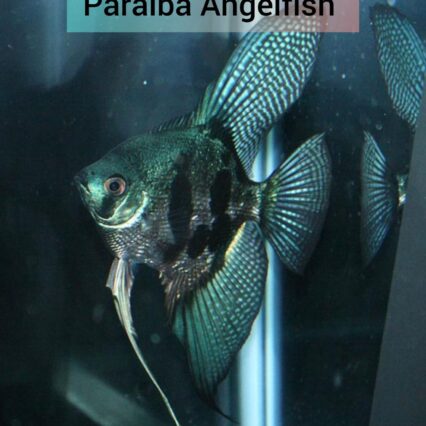 Enquire
Paraiba Angelfish
₹0.00 -
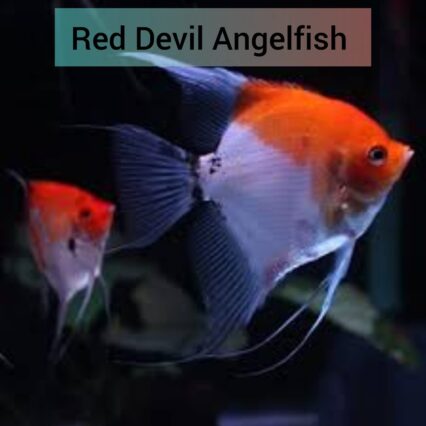 Enquire
Red Devil Angelfish
₹0.00 -
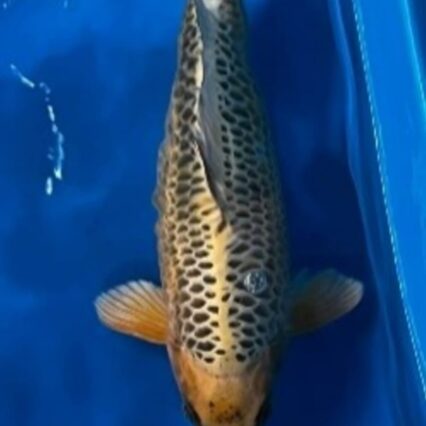 Enquire
Orgon Koi Fish
₹0.00 -
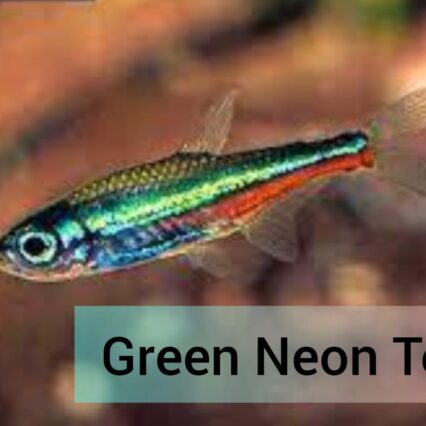 Enquire
Green Neon Tetra
₹0.00
The Dwarf Chain Loach, also known as the Chain Loach, is a small and highly attractive freshwater species recognized for its intricate chain-like pattern running along a golden-yellow body. Native to Thailand, this loach is one of the smallest in the Botia group, making it ideal for community aquariums. It is active, social, and often used for natural snail control due to its appetite for small snails.